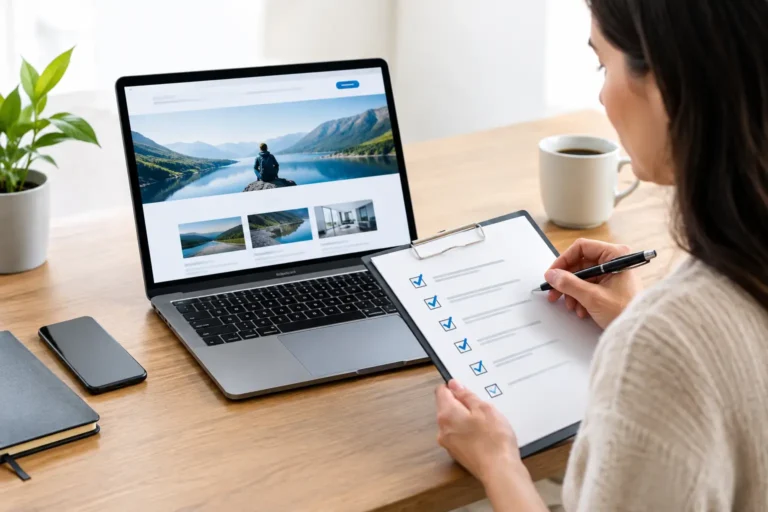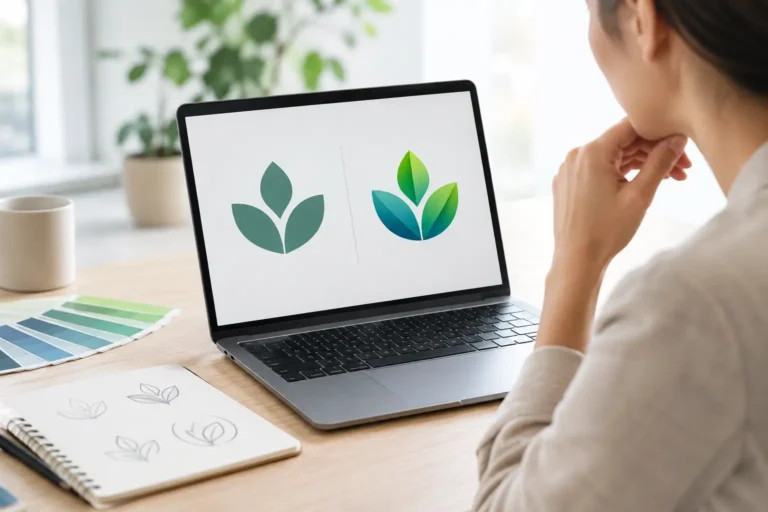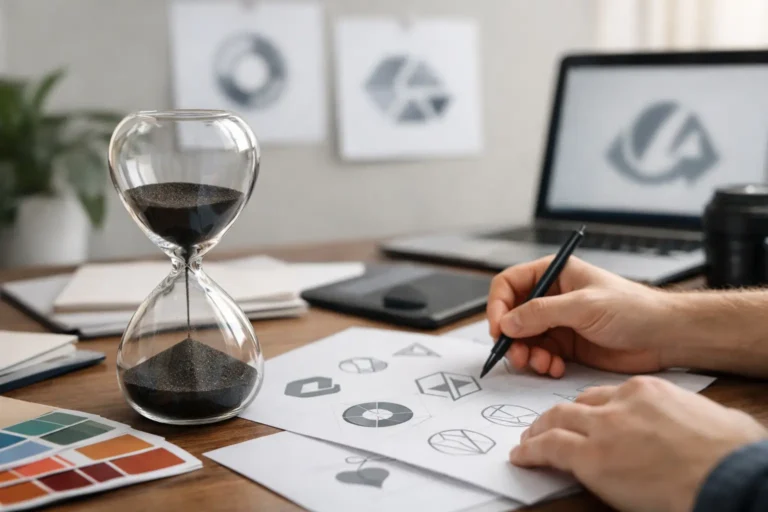

A logo is often the first thing customers see before they decide whether your business feels credible. That is why asking how long does logo design take is really about more than a delivery date. You need to know when you can order signage, build a website, print business cards, and launch with a brand that looks ready for business.
For most small businesses, a professional custom logo takes anywhere from one to four weeks. A focused project with clear direction can move quickly. A more involved brand identity, multiple decision-makers, or several rounds of refinement can take longer. The goal is not to rush through the process. It is to make the right decisions early enough that your final logo works everywhere you need it.
How Long Does Logo Design Take for a Small Business?
A simple logo project can sometimes be completed in five to 10 business days. That timeline works best when you have a clear business name, a defined audience, prompt feedback, and one person authorized to approve decisions.
Most custom logo projects take closer to two or three weeks from kickoff to final files. This allows time for discovery, initial concept development, feedback, revisions, and quality checks. If you are also developing a color palette, typography, social media graphics, stationery, or a full visual identity, plan for several additional weeks.
Fast does not have to mean generic. It means the process is organized, communication is direct, and everyone understands what happens next.
The Logo Design Timeline, Step by Step
1. Discovery and creative brief: 1-3 days
Strong logos start with good information. Before a designer begins, they need to understand what you sell, who you serve, where your brand will appear, and how you want customers to feel about your business.
A useful brief also covers practical details: your company name, tagline if you use one, competitors, preferred colors, design styles you dislike, and any visual elements that are essential or off-limits. A restaurant logo has different needs than a consulting firm logo. A local contractor may need high visibility on vehicles, while a software startup may need an icon that reads clearly at a small app size.
The more specific your input is at this stage, the fewer avoidable revisions you will need later. Specific does not mean telling the designer exactly what to create. It means sharing the business context that helps them create the right solution.
2. Research and concept development: 3-7 days
Next comes the design work. A professional designer researches your market, considers visual positioning, explores type and symbol directions, and develops concepts that fit your brief.
This is where a custom process differs from selecting a pre-made template. The designer is not just arranging shapes. They are deciding how your company should be recognized, remembered, and differentiated. A bold wordmark may be right for one brand. Another may need a distinctive icon that can stand alone on packaging or social profiles.
The number of initial concepts can affect the timeline, but more options are not always better. A few well-considered directions are usually more useful than a large batch of loosely developed ideas. Quality feedback is easier when each concept has a clear rationale.
3. Your review and feedback: 1-5 days
Client feedback is often the biggest variable in the schedule. If you review concepts within a day or two and provide clear, consolidated input, the project keeps moving. If feedback arrives in fragments across a week or several stakeholders offer conflicting preferences, progress slows down.
The best feedback connects your reaction to your goals. Instead of saying, “I don’t like this,” explain what is not working. Does the design feel too casual for a financial services audience? Is the icon too detailed to reproduce well on uniforms? Does the type feel too similar to a major competitor?
Try to collect comments internally before sending them to your designer. One clear response is faster and more productive than several separate emails with competing requests.
4. Revisions and refinement: 3-10 days
Once you select a direction, the designer refines it. This may include adjusting the typography, simplifying an icon, testing color combinations, improving spacing, or creating horizontal and stacked variations.
Most logo projects include a defined number of revision rounds. That structure helps protect the schedule while giving you room to shape the work. A revision is most effective when it improves the chosen direction. Starting over repeatedly with a new concept can extend the project considerably.
This is also the stage where good designers test whether the logo remains recognizable in real-world applications. It should work in black and white, at small sizes, on light and dark backgrounds, and in formats beyond a presentation screen.
5. Final files and handoff: 1-3 days
After approval, the final logo is prepared in the file types you will actually need. These typically include vector files for print and scaling, along with web-ready formats for digital use. You may also receive color variations and guidance on how to use them consistently.
Do not treat this as an afterthought. A beautiful logo file that cannot be used by your printer, web developer, or sign company creates unnecessary delays. Confirm what final deliverables are included before the project begins, especially if you need social media profile images, favicon files, or editable source files.
What Can Make a Logo Project Take Longer?
A longer timeline is not automatically a bad sign. Some projects need more care because the business is more complex or the logo will be used across many channels. Still, a few common issues create delays that can usually be avoided.
An unclear business name or changing tagline can stop a project before it starts. So can a brand strategy that is still undecided. If you are choosing between two audiences, two service offerings, or two company names, settle those core questions first.
Too many approvers can also slow the work. Ask who has final decision-making authority and establish that role at the beginning. Input from partners or team members can be valuable, but a logo cannot effectively represent every personal preference in the room.
Finally, be realistic about the difference between refinement and reinvention. If the direction is wrong, it is better to say so early. But changing the brief after concepts are presented – for example, shifting from a playful consumer brand to a conservative corporate look – requires additional design time because it is a different assignment.
How to Keep Your Logo Design on Schedule
You can make the process faster without compromising the result by preparing before kickoff. Have your business name finalized, collect examples of brands you admire, and identify where the logo will be used first. A storefront, website header, product label, and social profile each create different design requirements.
Set a review schedule, too. Decide when you will provide feedback and who will consolidate it. If a launch date is fixed, tell your design partner at the beginning. That allows the work to be planned around the deadline rather than rushed at the end.
It also helps to keep an open mind about the first concept you see. A logo may look unfamiliar simply because it is new, not because it is wrong. Give yourself a moment to consider whether it fits your customer, market, and long-term goals rather than judging it only against what you expected.
A Better Timeline Starts With a Better Process
The right question is not just how fast you can get a logo. It is how quickly you can get one that makes your business look established, works across the places customers find you, and is fully yours to use.
A clear brief, responsive communication, and an experienced design partner make that possible. With a structured process like the one Logoworks provides, you can move from an idea to professional brand assets with confidence – and without the uncertainty of chasing freelancers or sorting through generic contest entries.